English
SBTI Test — Personality Test
MBTI is outdated. SBTI is here. An absurdly accurate personality trial. 30 questions reveal your 15 soul dimensions. No sign-up. No payment. No data collection.
What is SBTI Test?
SBTI (Satirical Behavioral Type Indicator) is an entertainment personality test built on 5 psychological models and 15 personality dimensions. Through 30 carefully crafted questions, a three-tier scoring system (L/M/H), and a pattern-matching algorithm, it matches you to one of 27 unique personality types — each with razor-sharp wit and surprisingly accurate insights.
Self Model
S1 · S2 · S3
Emotional Model
E1 · E2 · E3
Attitude Model
A1 · A2 · A3
Action Drive Model
Ac1 · Ac2 · Ac3
Social Model
So1 · So2 · So3
Why take the SBTI test?
A mirror for your weirdness — just not a serious one
Psychological models do the skeleton, sharp wit does the skin. 3 minutes here beats 1 hour of self-doubt.
15 dimensions × 27 types, maximum granularity
Finer than MBTI's 4 dimensions and 16 types. 30 questions give you a basic result in 3 minutes, with a deeper analysis available if you want to go further.
Social-media-grade social currency
All 27 types come pre-loaded with memes, and you can generate a poster to post on the spot. Dropping "I'm a CTRL" is a much easier icebreaker than quoting MBTI theory.
Who is SBTI for?
Not everyone deserves to be seriously analyzed, but most people deserve to be seriously roasted.
- People who found MBTI a bit too buttoned-up and want something with more flavor
- People who want a meme-ready opener for parties, group chats, and social media
- People haunted by self-doubt who want a fun, low-stakes way to make sense of themselves
- People with a strange fondness for being called out with surgical precision
How does SBTI produce your result?
From 30 questions to one of 27 personalities, in 4 steps.
-
1
Answer 30 questions
Each question has 3 options mapped to L / M / H. The whole thing takes under 5 minutes.
-
2
Score across 5 models × 15 dimensions
Five models — Self, Emotional, Attitude, Action, Social — each with 3 dimensions, each dimension covered by 2 questions, producing a single L / M / H pattern string.
-
3
Match against the 27 standard personalities
The system compares your L / M / H pattern against all 27 standard personalities one by one and finds the closest match. Hit the right conditions and a hidden personality may unlock.
-
4
Deliver your personal result
A 4-letter personality code, a match-score card, and a tailor-made, razor-sharp personality breakdown. Generate a poster or copy a share link and send it to friends.
27 Personality Types
View All TypesWhich one are you? Take the test to find out.
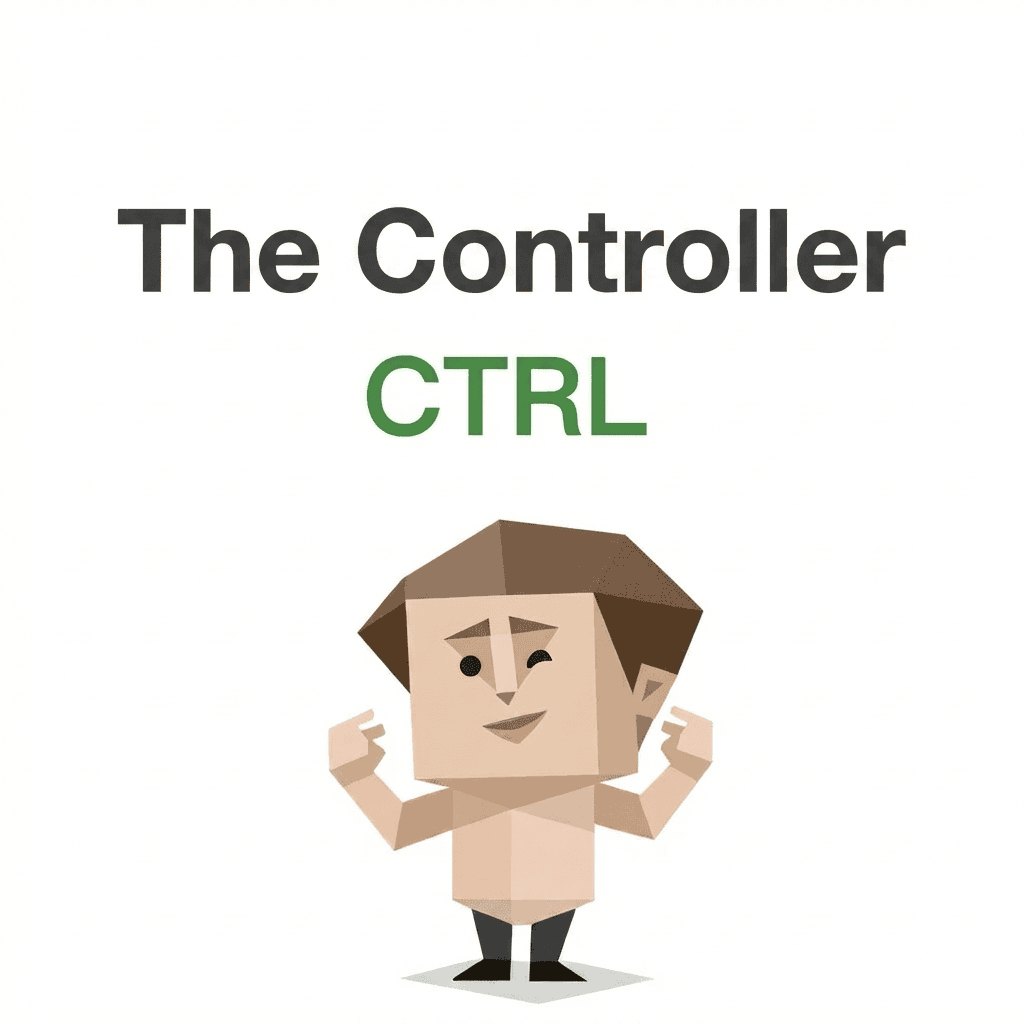
CTRL
The Controller
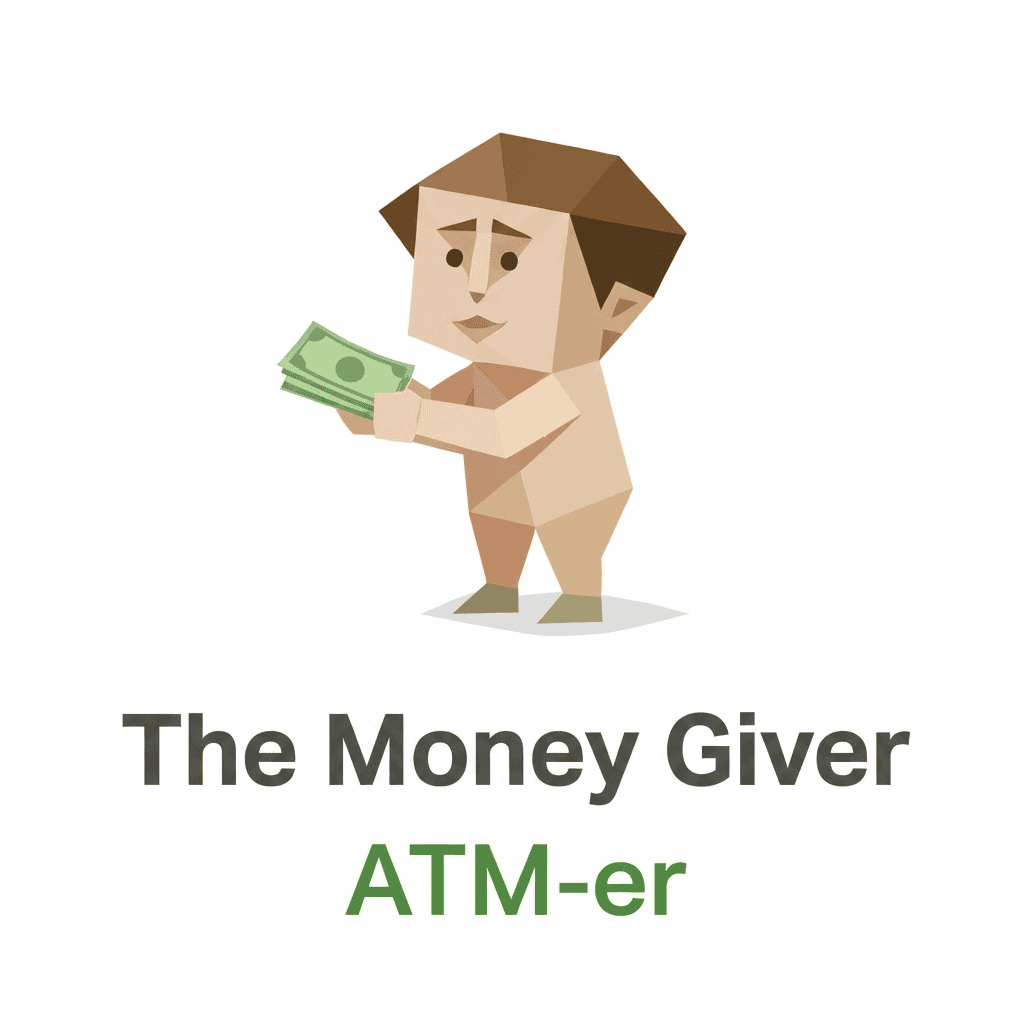
ATM-er
The Money Giver
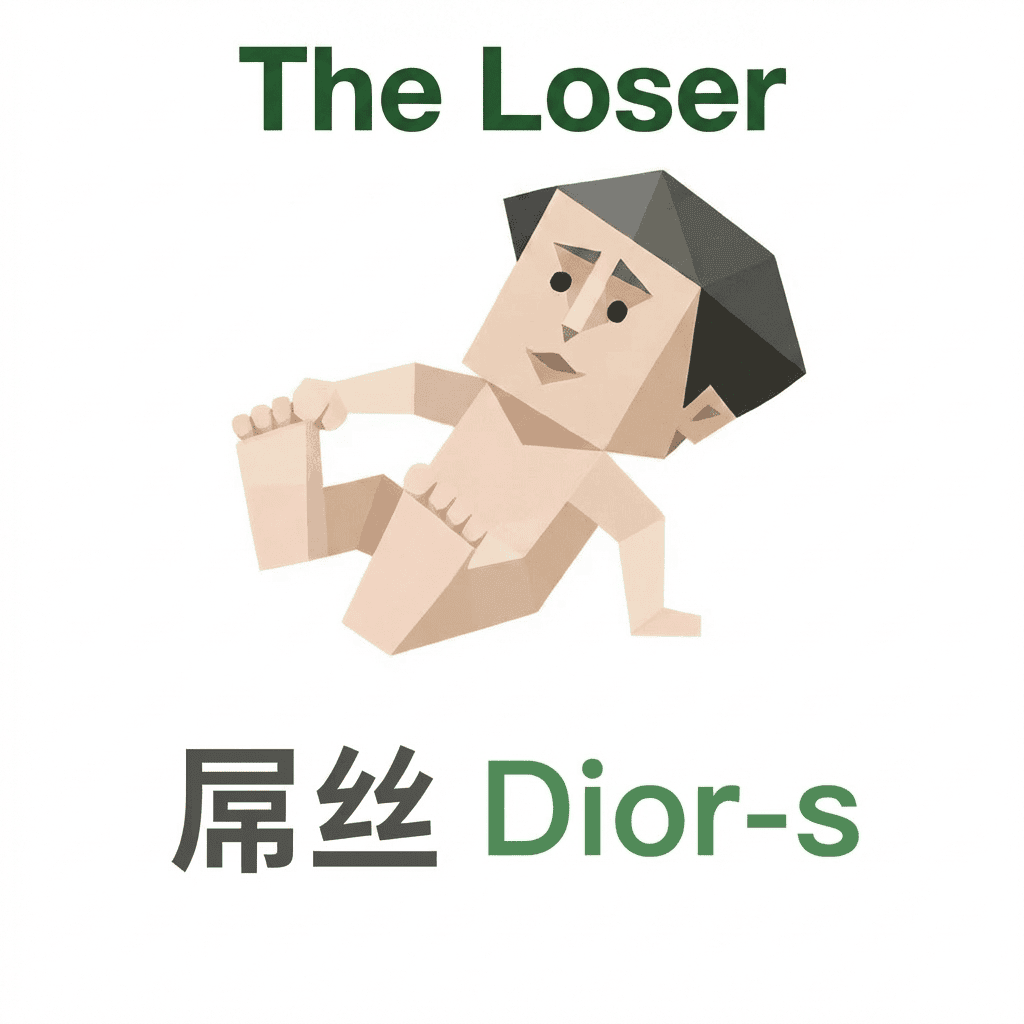 Dior-s
The Loser
Dior-s
The Loser
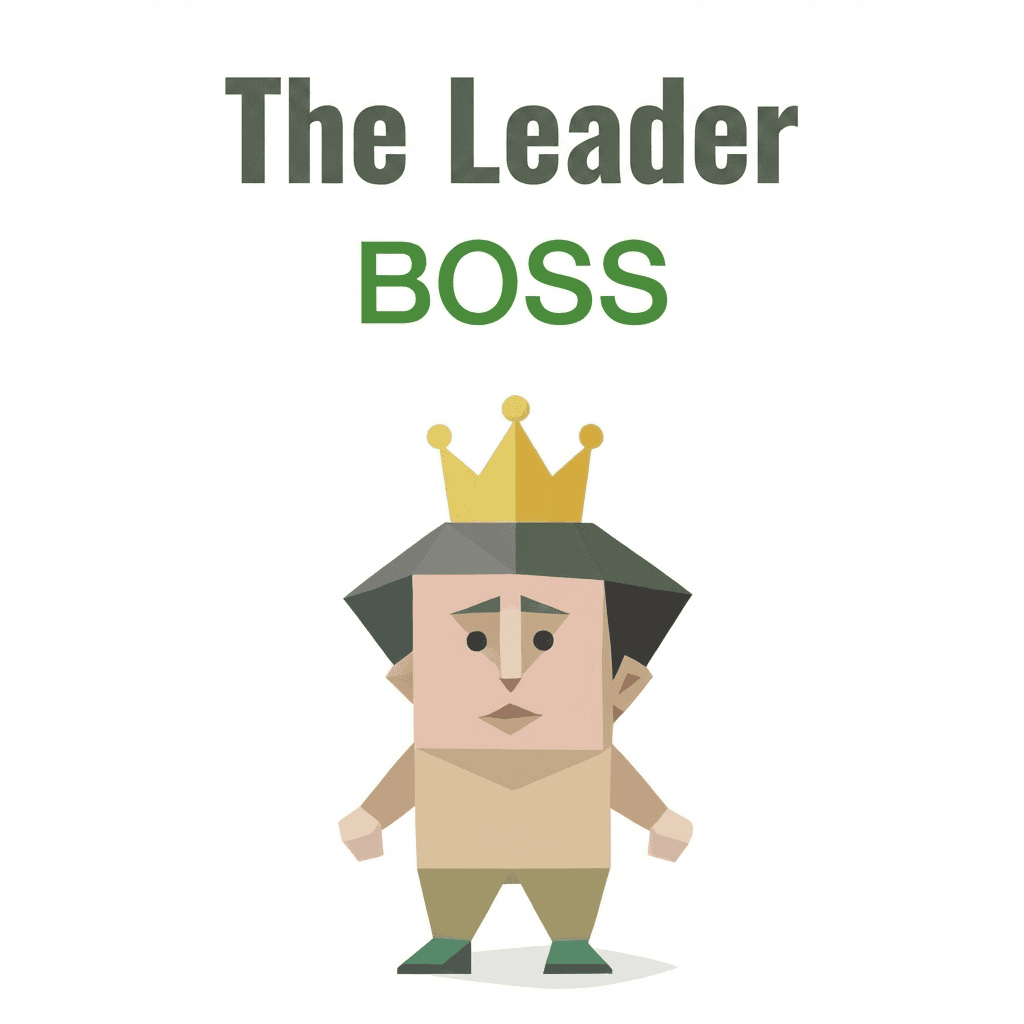 BOSS
The Leader
BOSS
The Leader
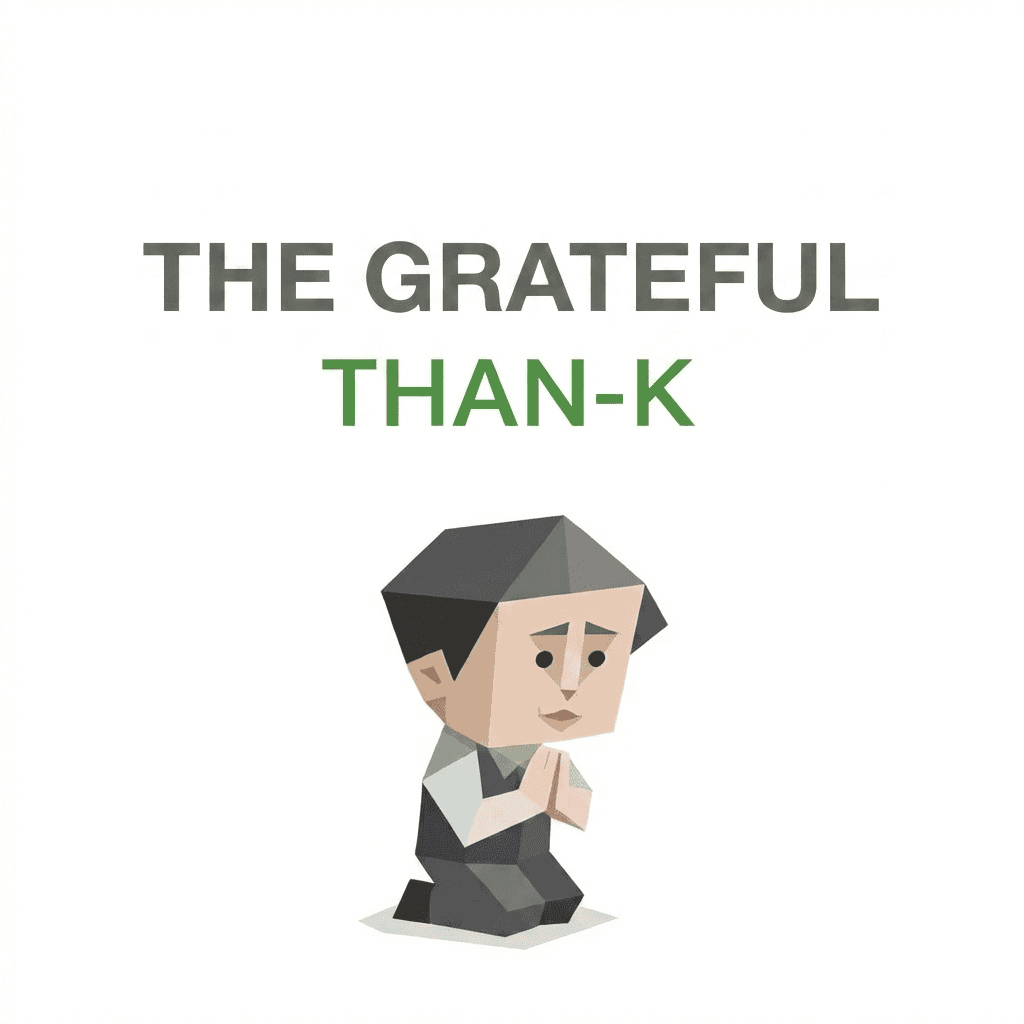 THAN-K
The Grateful
THAN-K
The Grateful
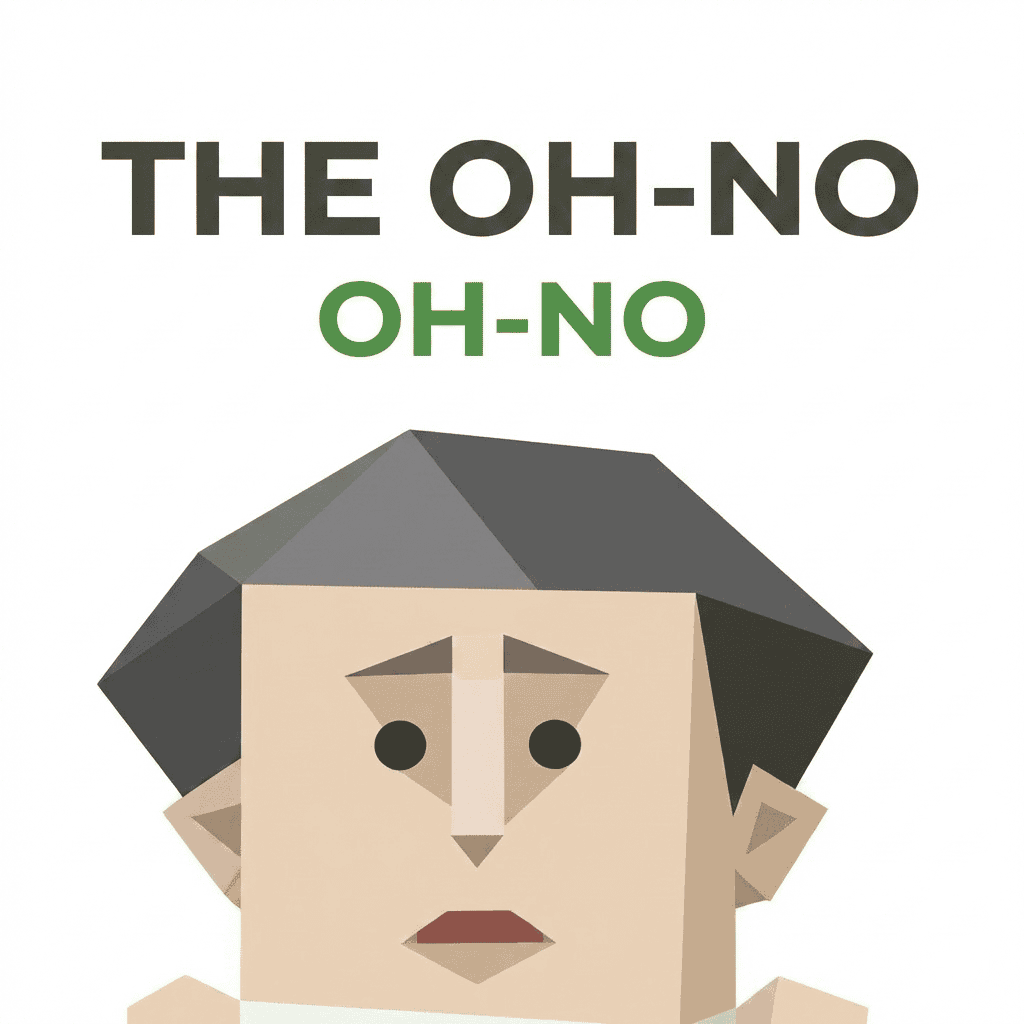 OH-NO
The Oh-No
OH-NO
The Oh-No
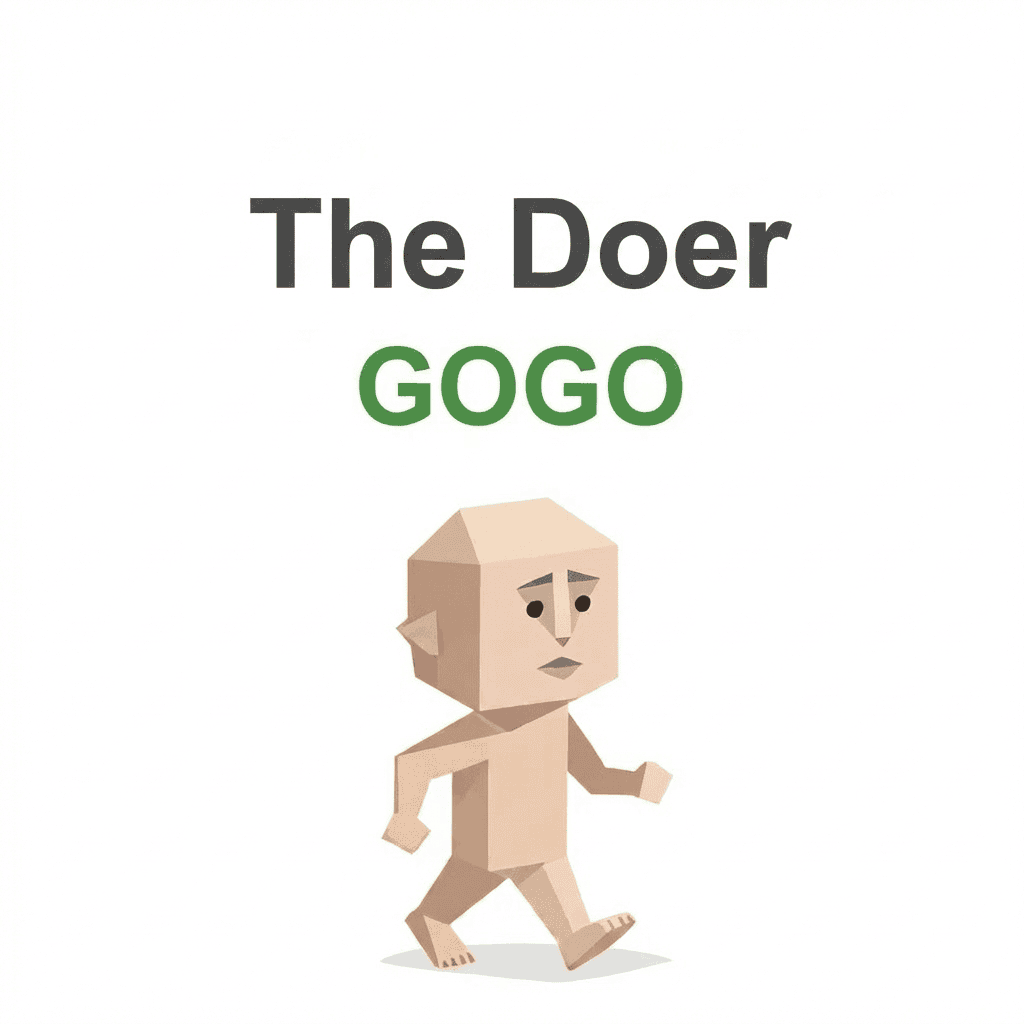 GOGO
The Doer
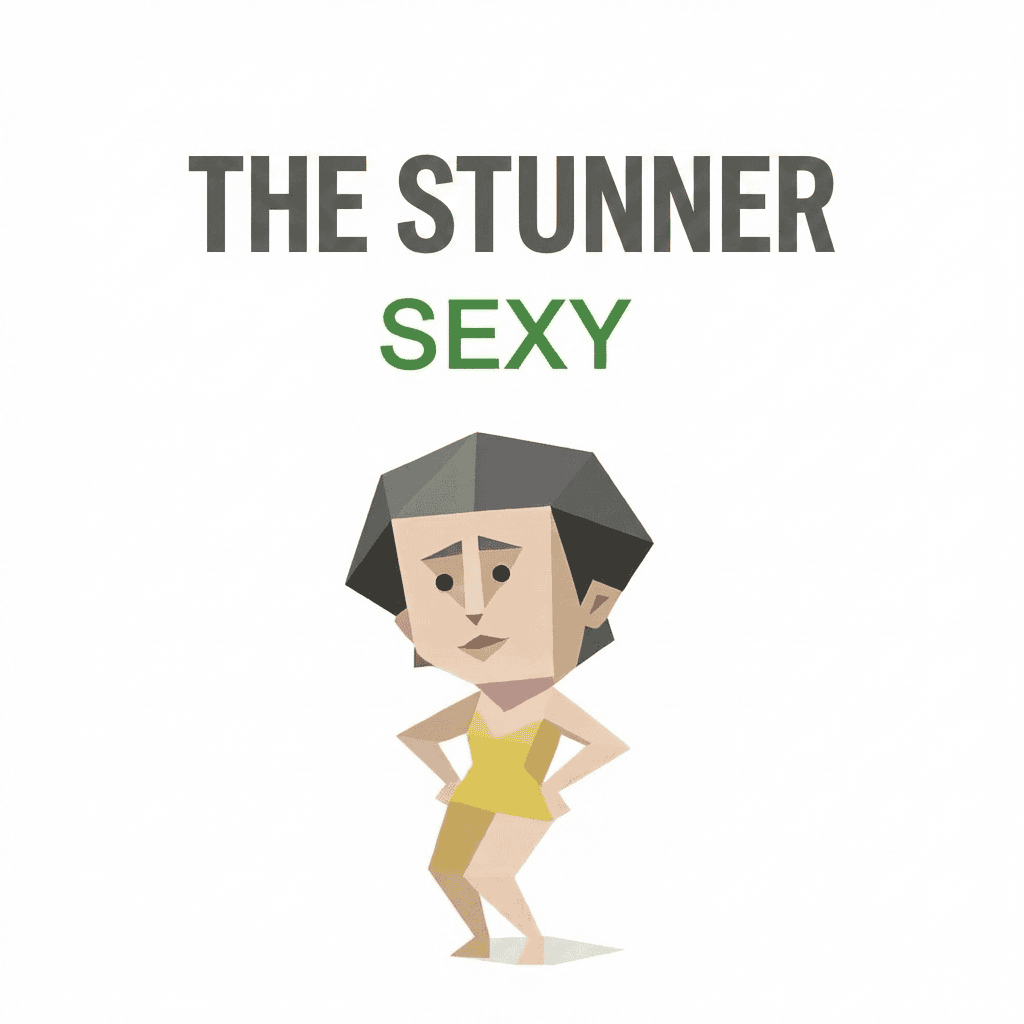
SEXY
The Stunner
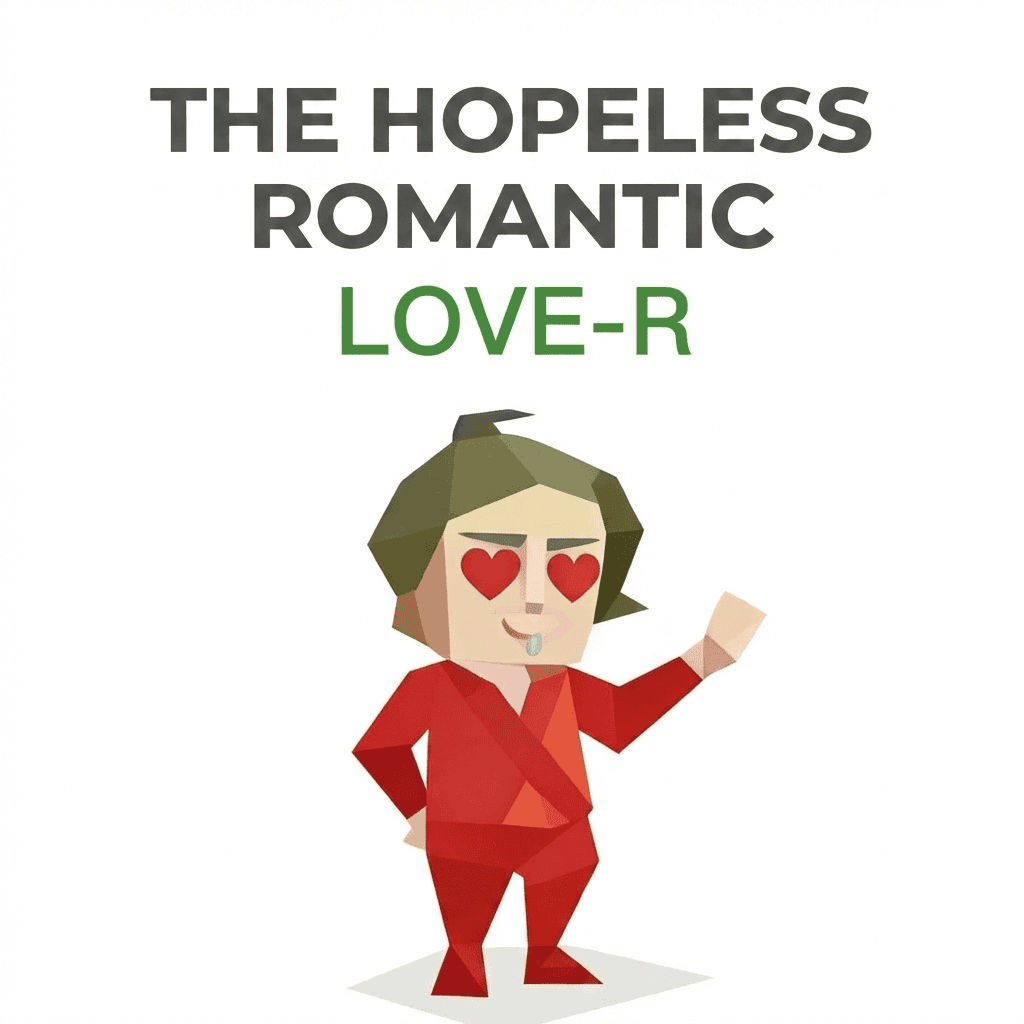
LOVE-R
The Hopeless Romantic
GOGO
The Doer
SEXY
The Stunner
LOVE-R
The Hopeless Romantic
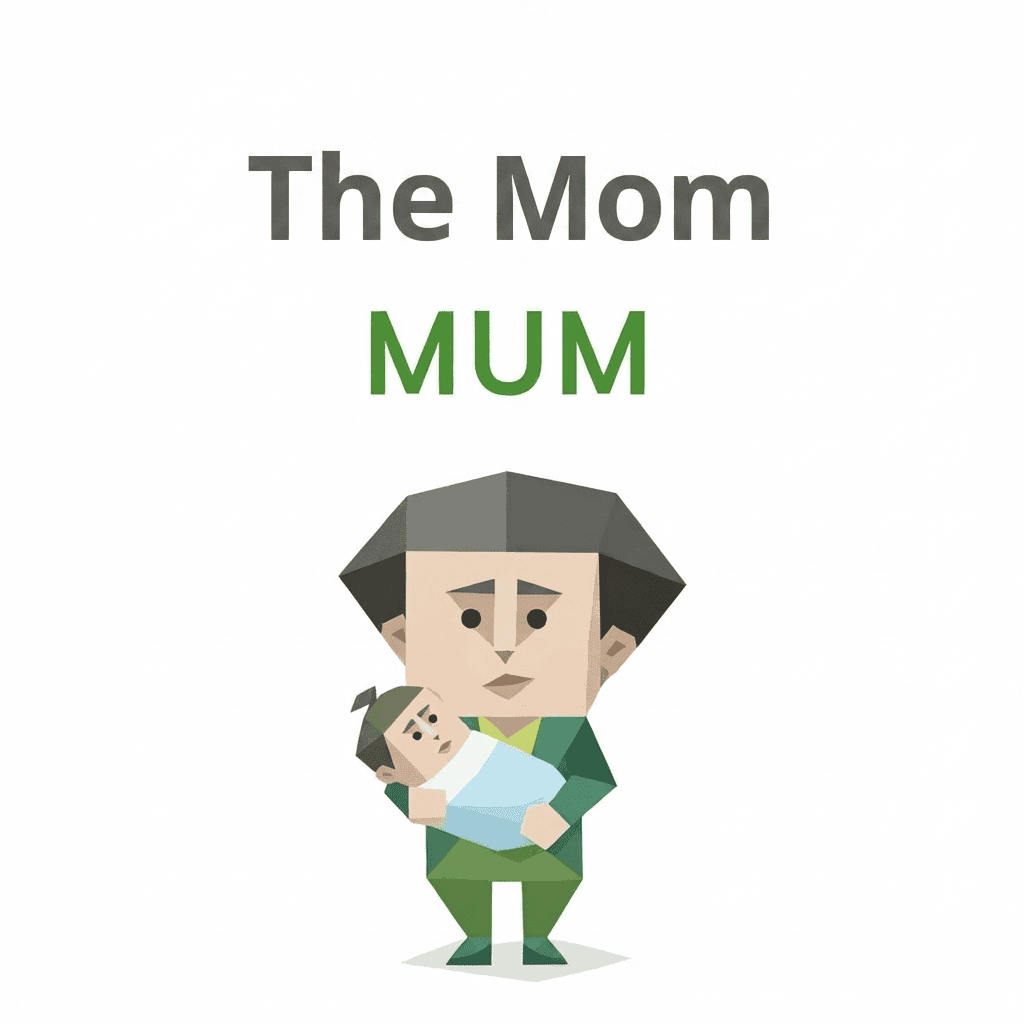 MUM
The Mom
MUM
The Mom
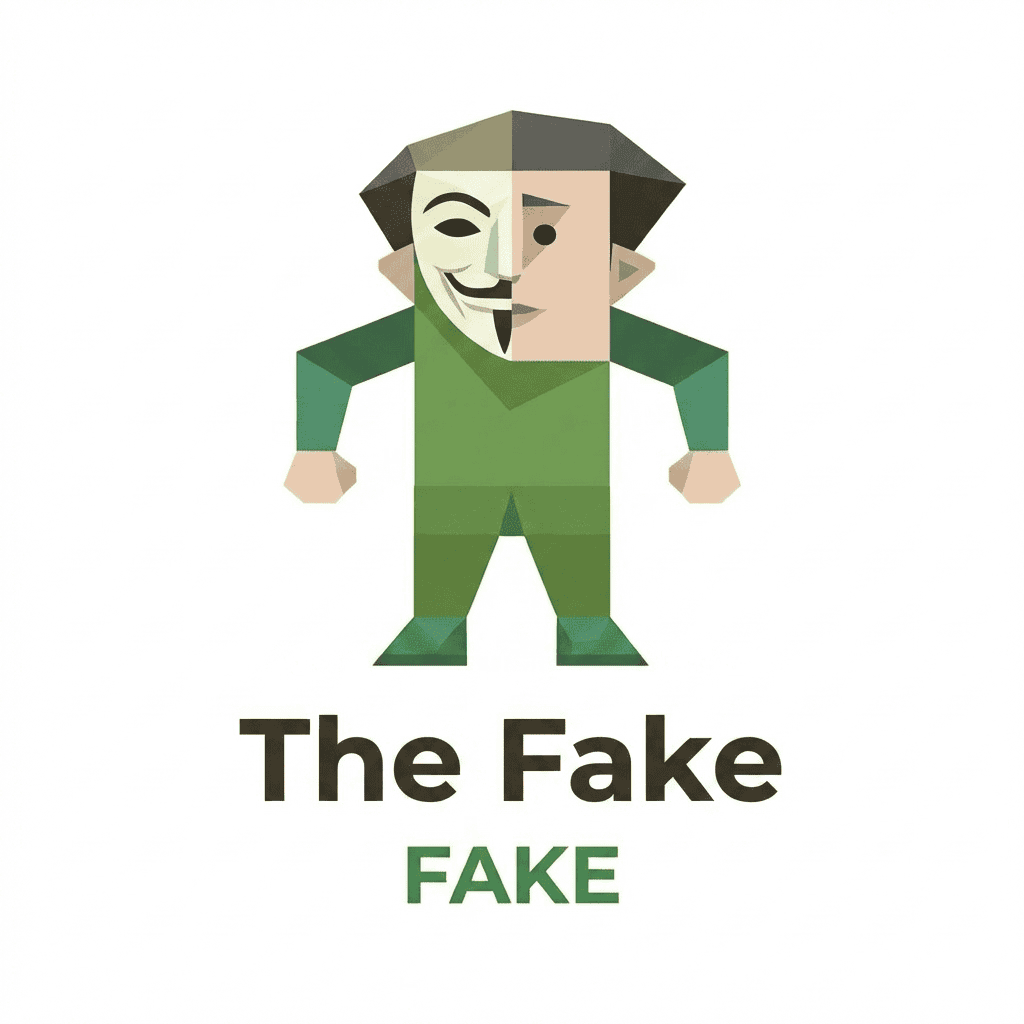 FAKE
The Fake
FAKE
The Fake
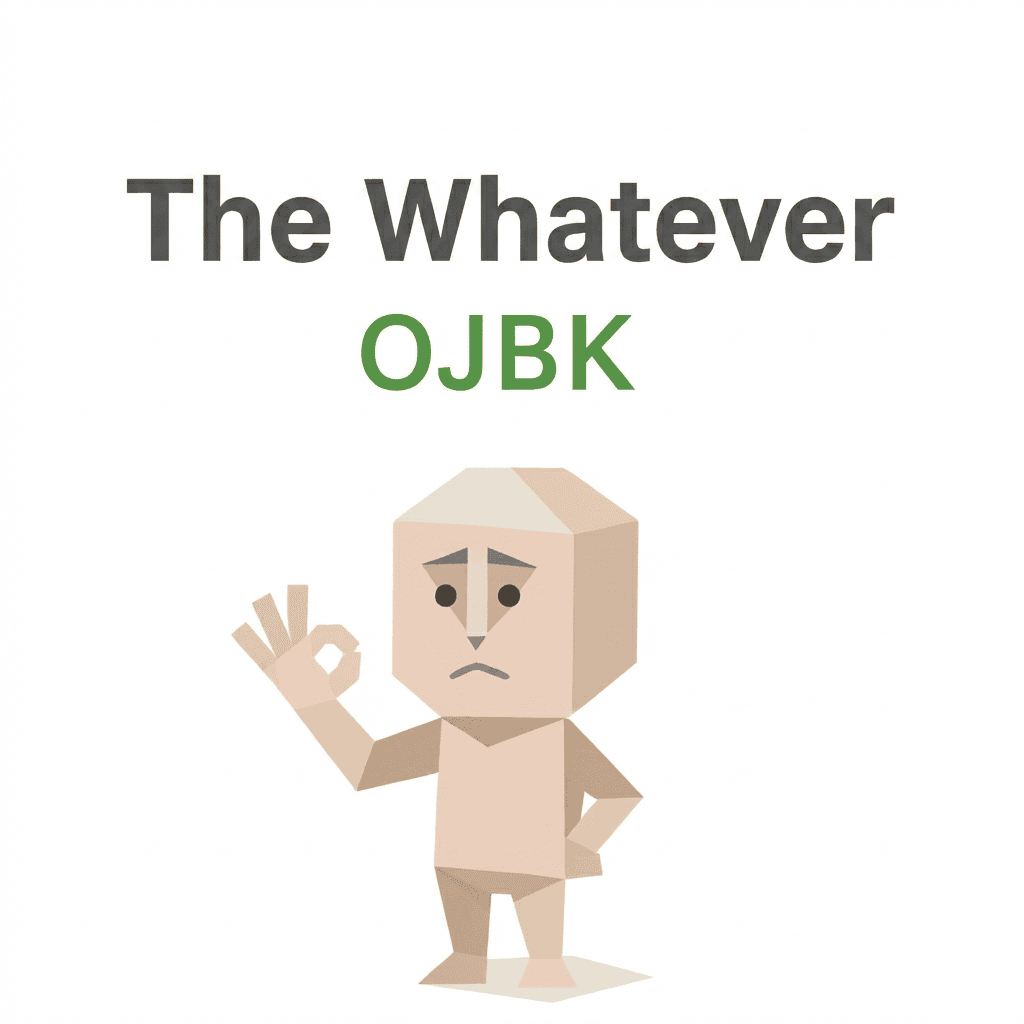 OJBK
The Whatever
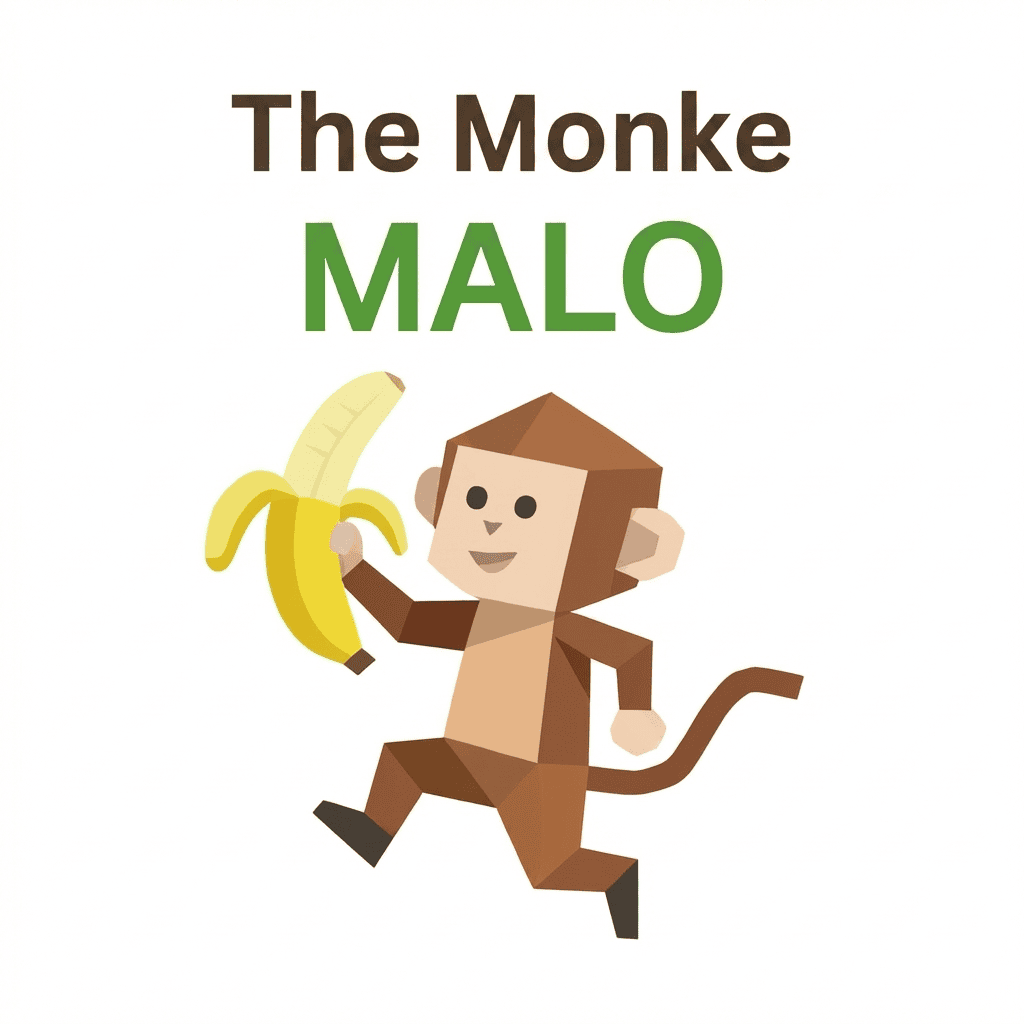
MALO
The Monke
OJBK
The Whatever
MALO
The Monke
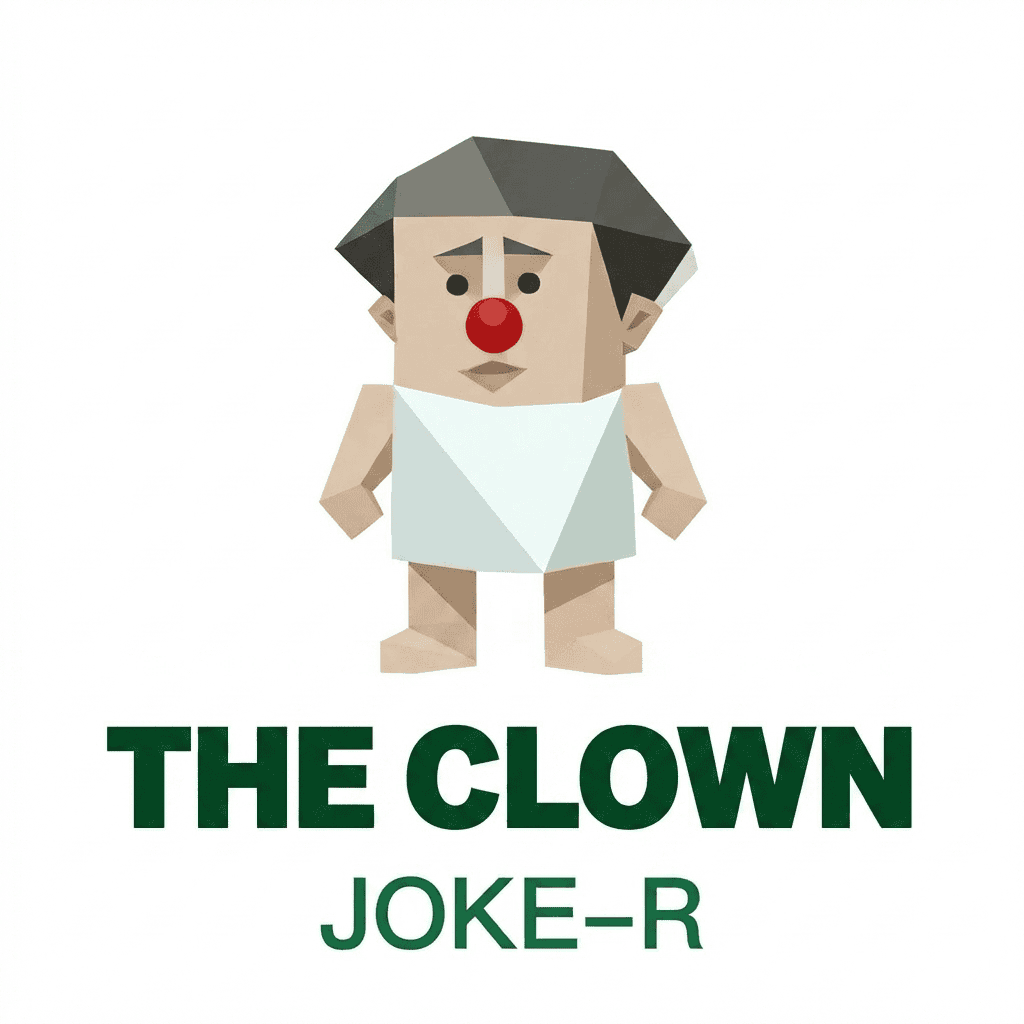 JOKE-R
The Clown
JOKE-R
The Clown
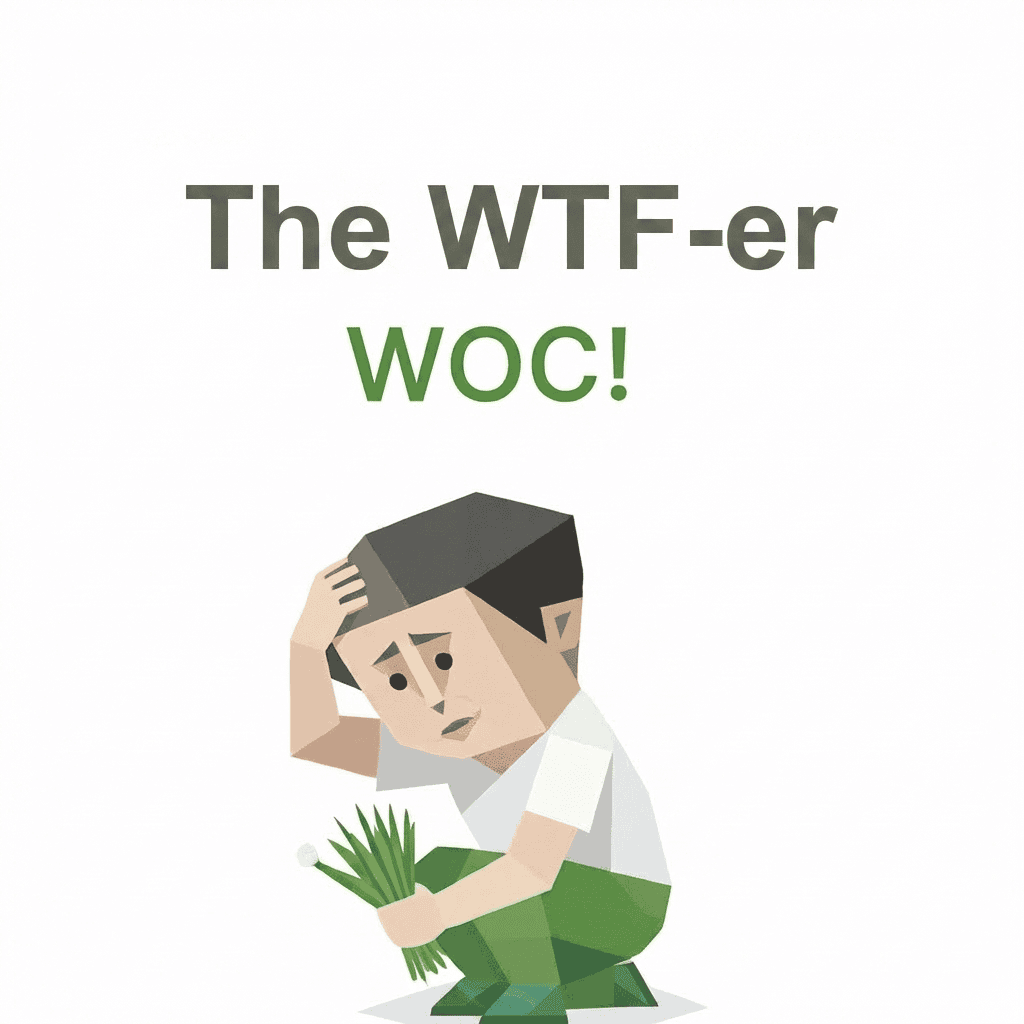 WOC!
The WTF-er
WOC!
The WTF-er
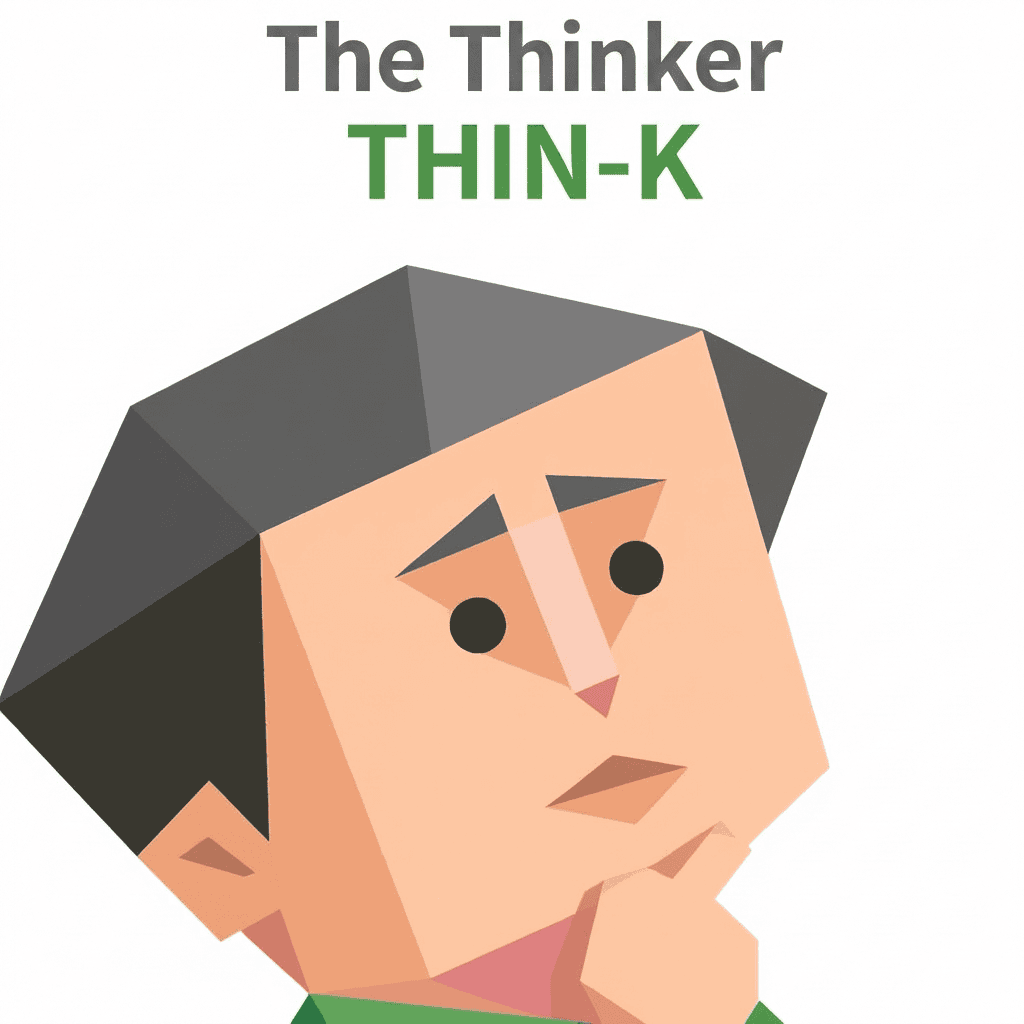 THIN-K
The Thinker
THIN-K
The Thinker
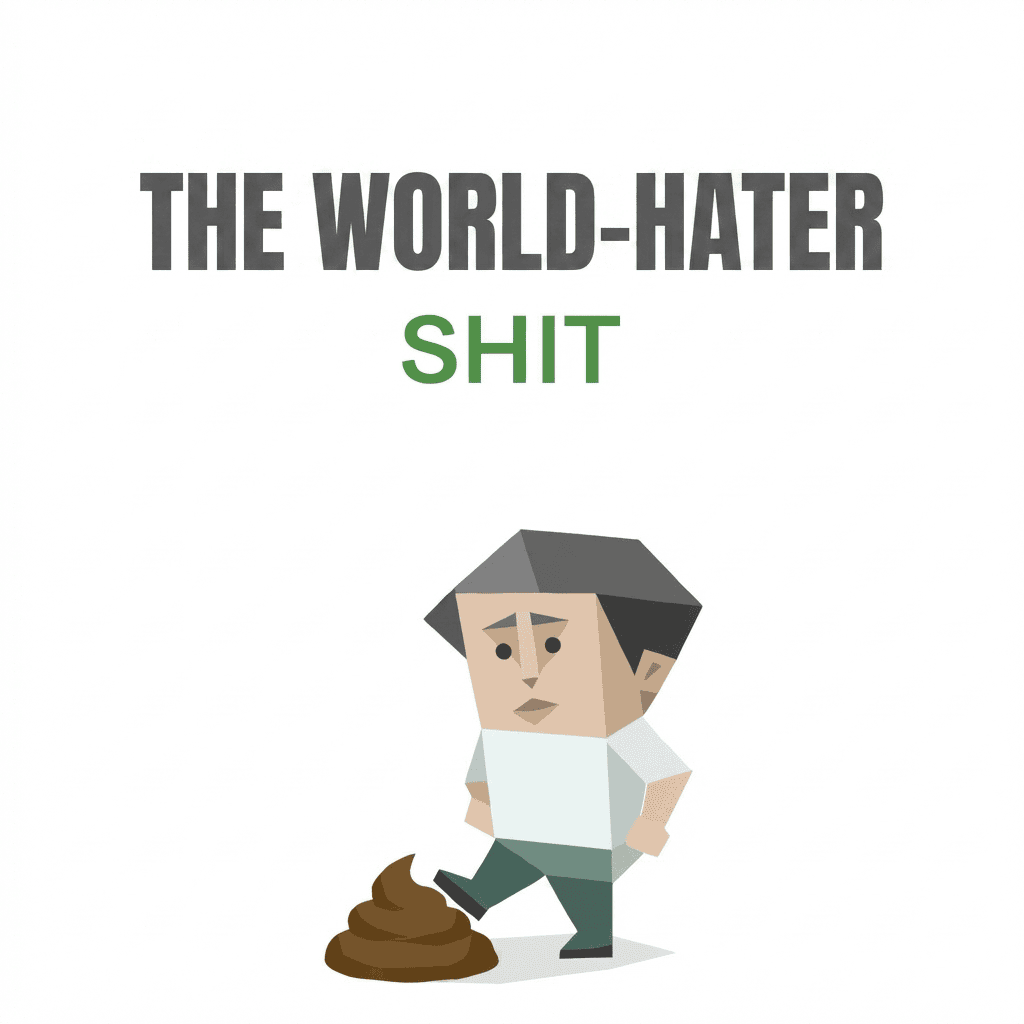 SHIT
The World-Hater
SHIT
The World-Hater
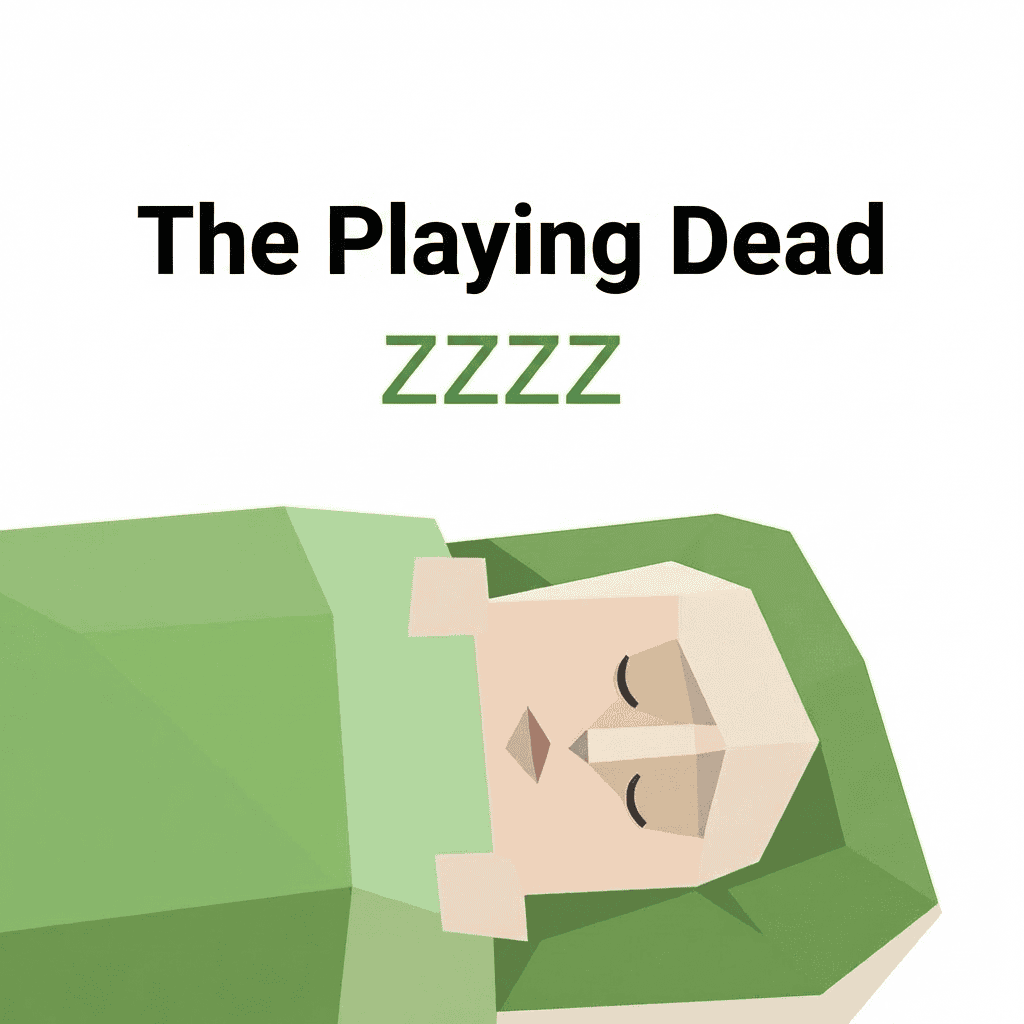 ZZZZ
The Playing Dead
ZZZZ
The Playing Dead
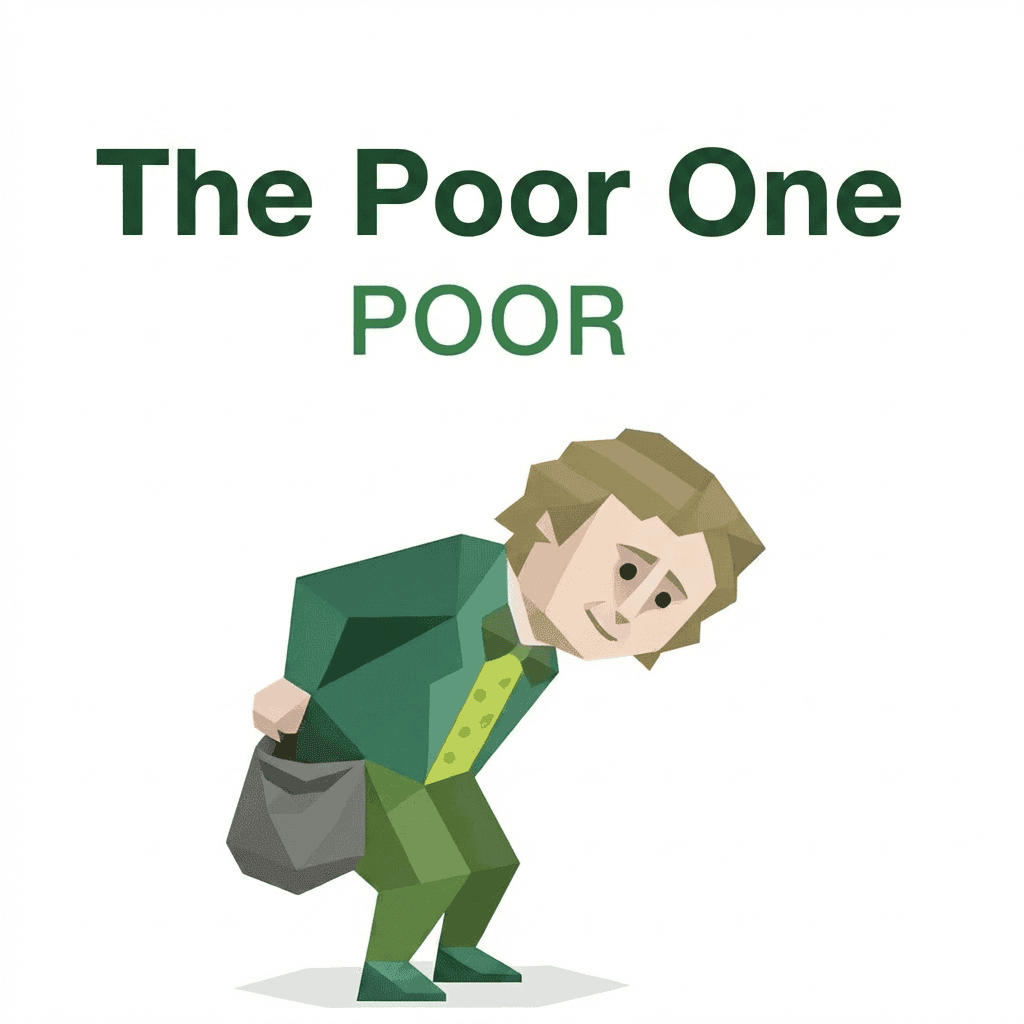 POOR
The Poor One
POOR
The Poor One
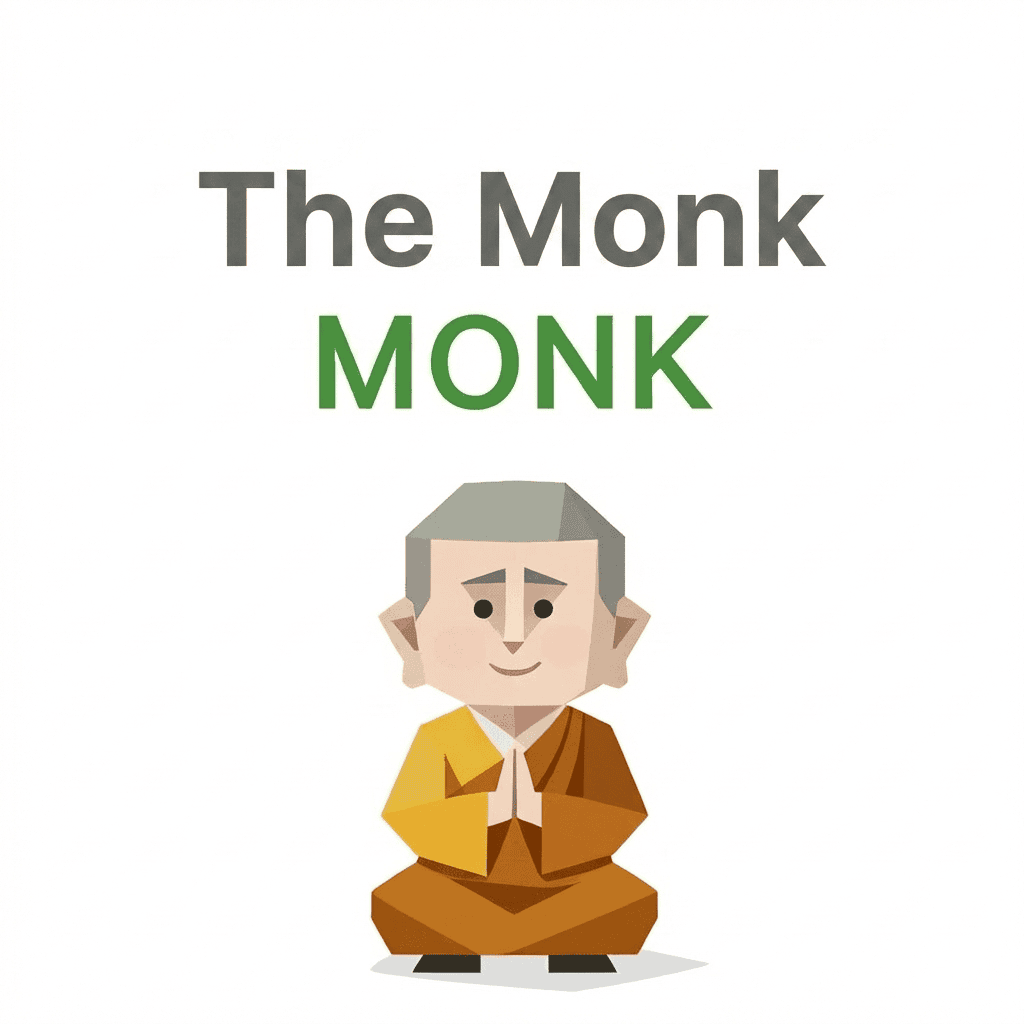 MONK
The Monk
MONK
The Monk
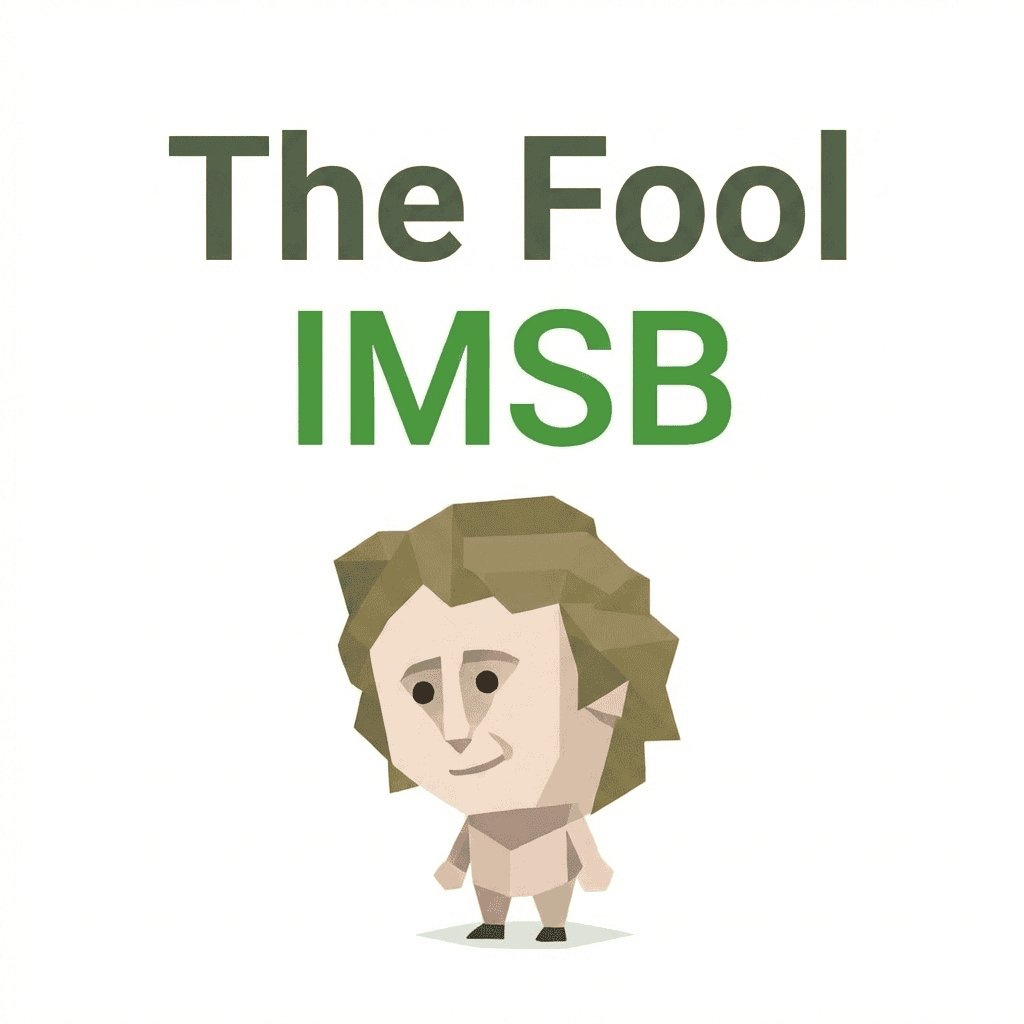 IMSB
The Fool
IMSB
The Fool
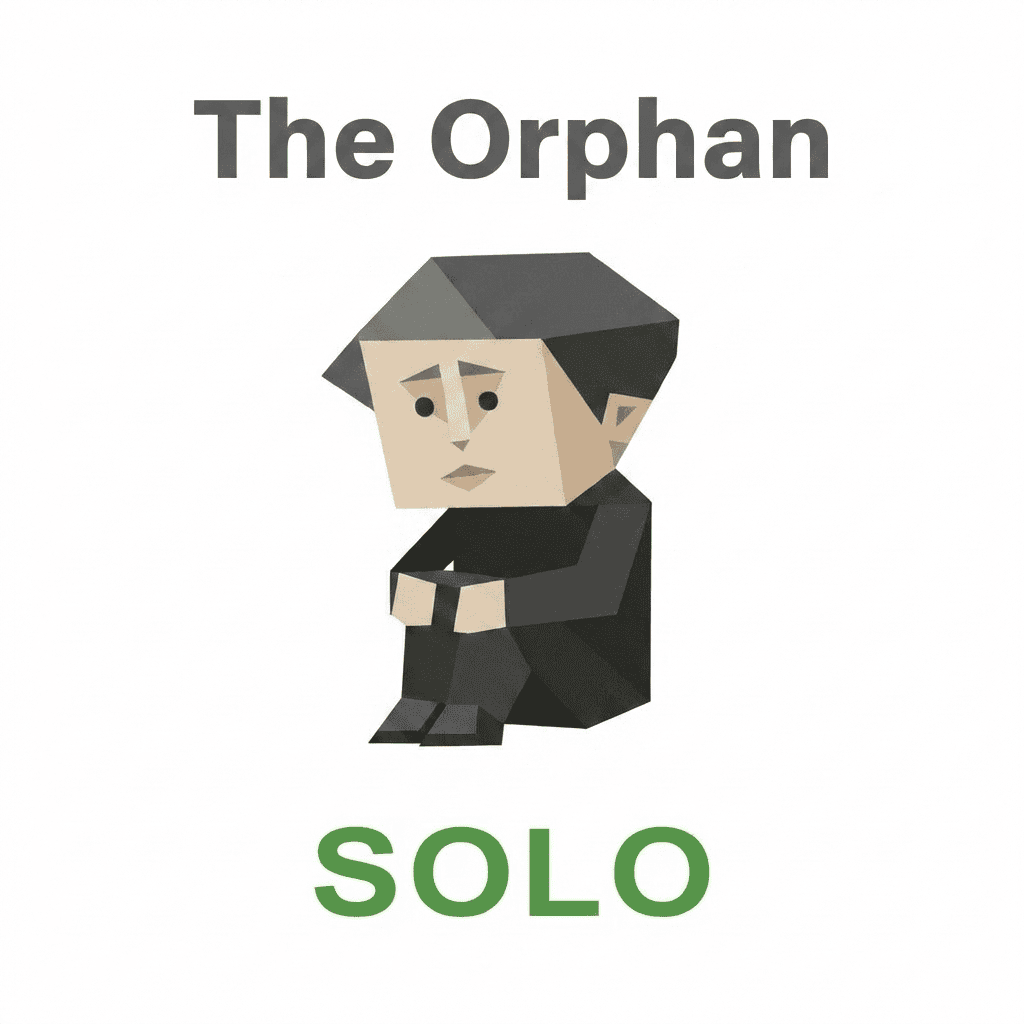 SOLO
The Orphan
SOLO
The Orphan
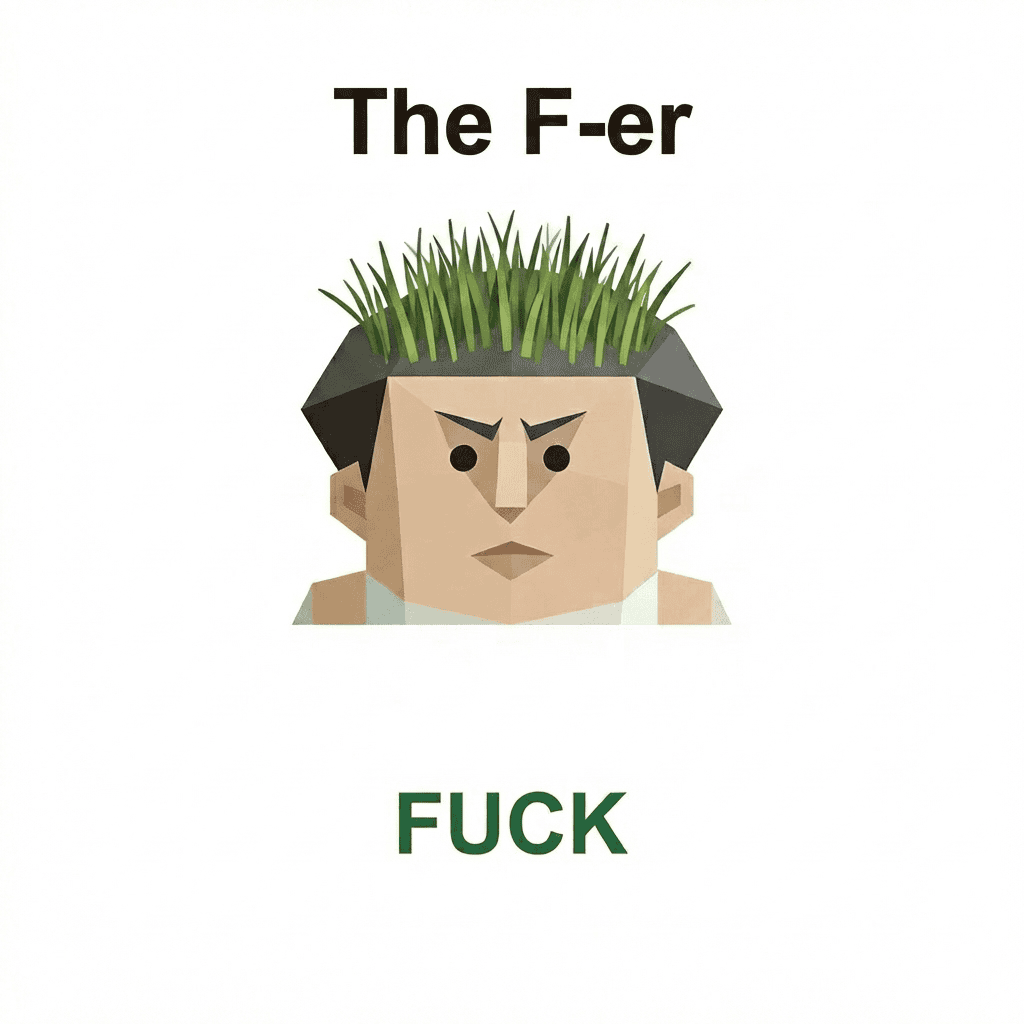 FUCK
The F-er
FUCK
The F-er
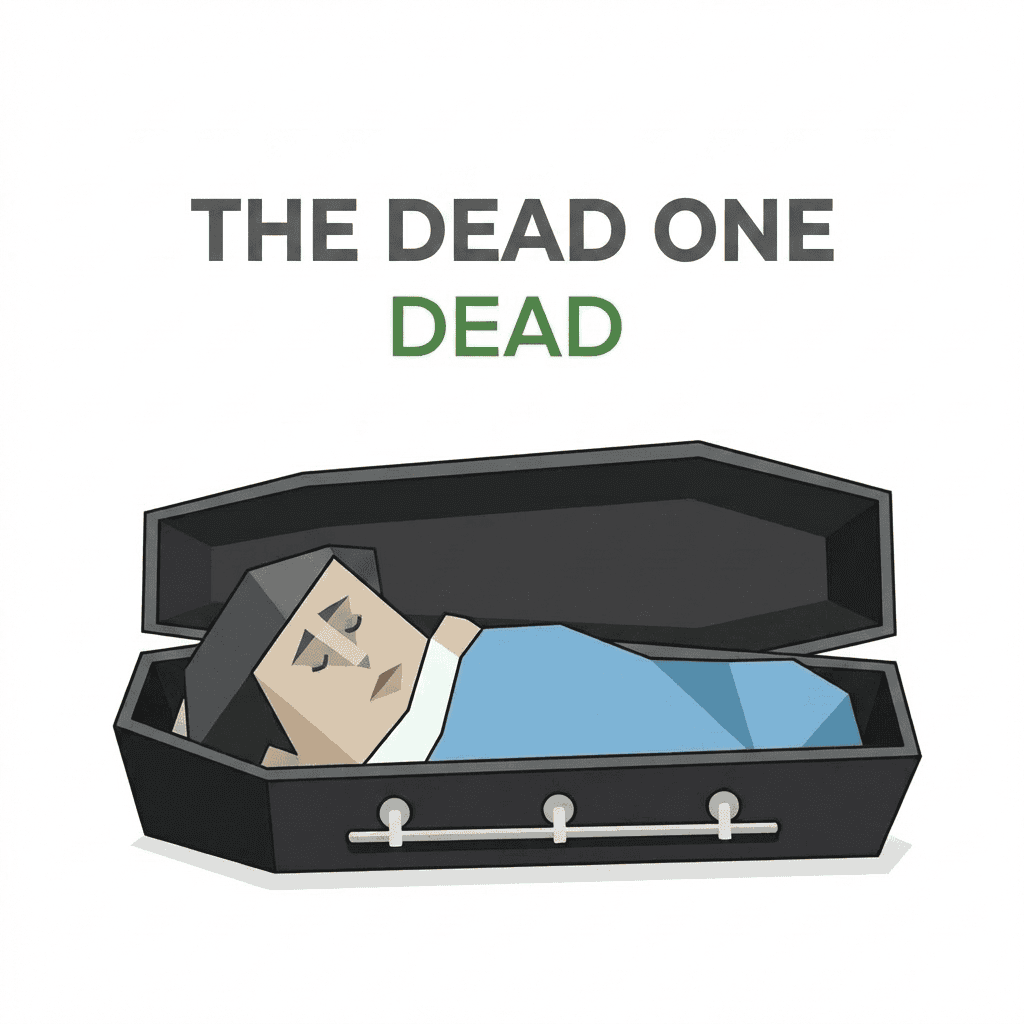 DEAD
The Dead One
DEAD
The Dead One
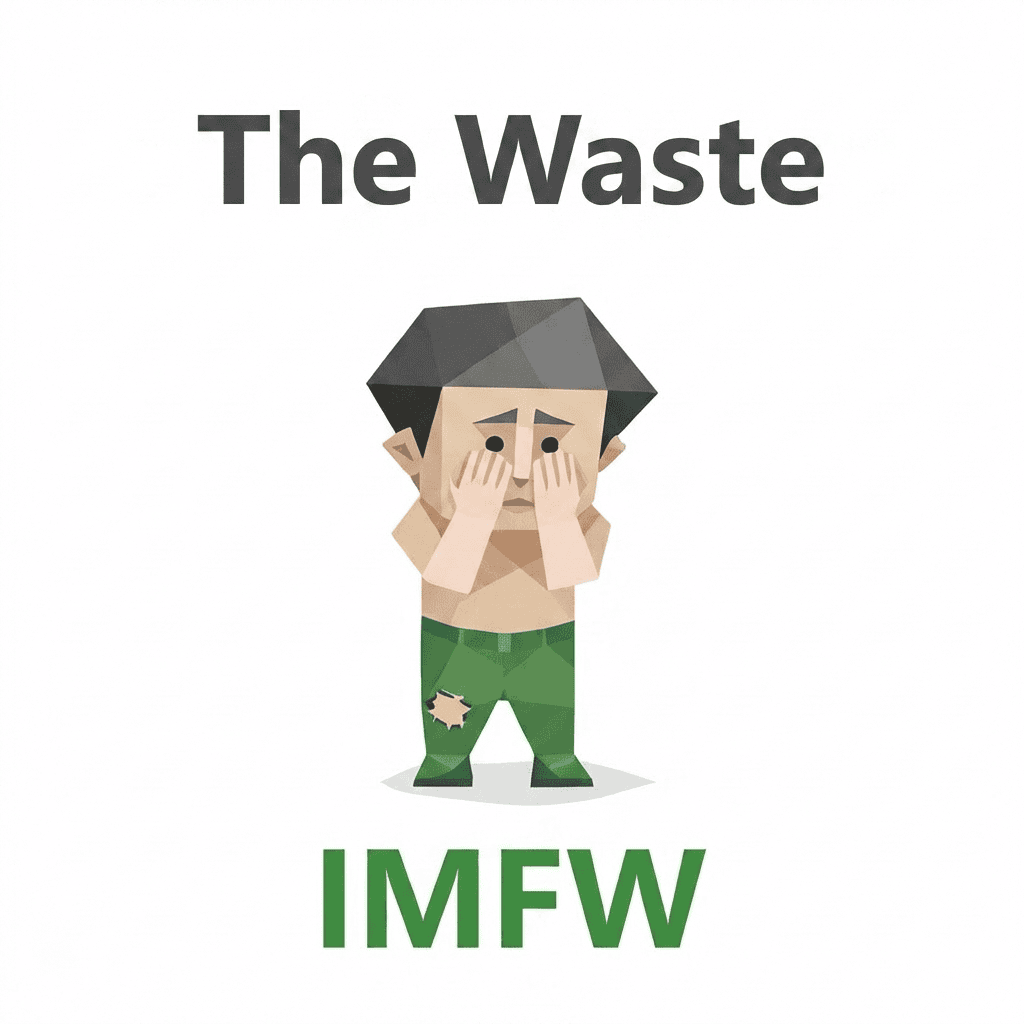 IMFW
The Waste
IMFW
The Waste
Why names like CTRL, BOSS, and DRUNK?
The 4-letter codes read like shell commands and internet slang all at once — designed to be instantly memorable, instantly shareable, and instantly self-identifiable. We don't want you memorizing theory; we want your friends to riff right back the moment you post your result.
Taken from the Ctrl key — they feel like everything is under their command: emotions, pacing, other people's reactions, all manageable.
Corporate lingo dialed to max, no explanation needed. Walks into any room radiating an "I've got this" aura.
An onomatopoeia straight into a code name — seeing ZZZZ instantly triggers the sound of snoring in your head. Ten thousand times catchier than "avoidant internal-friction tendency" or any other academic mouthful.
SBTI vs MBTI Comparison
| Category | MBTI | SBTI Test |
|---|---|---|
| Theoretical Basis | Jungian psychological type theory | 5 psychological models (Self / Emotional / Attitude / Action / Social) |
| Number of Dimensions | 4 dimensions | 15 dimensions |
| Scoring Method | Binary (E/I, S/N...) | Three-tier (L/M/H) |
| Number of Types | 16 types | 27 types |
| Style | Formal, psychological | Satirical, entertaining |
| Number of Questions | 93 questions | 30 questions (3-5 minutes) |
| Cost | Official version is paid | Completely free |
FAQ
What is SBTI? What does SBTI mean?
SBTI stands for Satirical Behavioral Type Indicator — a free personality test that matches you to 1 of 27 personality types across 15 psychological dimensions. Unlike MBTI's 4-dimension 16 types, SBTI uses finer-grained dimensions and descriptions with a satirical twist. 30 questions, ~3 minutes, no signup, free.
Is the SBTI test accurate?
SBTI is for entertainment only. It is designed around a five-model psychological framework, but the personality type names and descriptions are heavily satirical. Do not use the results for any serious decision-making.
How long does the test take?
30 questions, roughly 3-5 minutes to complete.
Is my data safe?
All calculations happen locally in your browser. No personal data is uploaded. Shared links only contain your encoded dimension scores — no personal information.
Can I share my results?
Absolutely! After completing the test, you can generate a poster to save, or copy a share link to send to friends. They can see your results by opening the link.
What's the difference between SBTI and MBTI?
MBTI uses Jung's four-dimension binary model (16 types). SBTI uses five models with three-tier scoring (15 dimensions x L/M/H) and pattern matching to find your closest personality type. Also, SBTI's descriptions are a lot more... blunt.
How many personality types does SBTI have?
25 standard personality types (e.g., CTRL The Controller, BOSS The Leader, SHIT The Angry Fixer, etc.), plus 2 special types — DRUNK The Drunkard (hidden, only unlocks under specific conditions) and HHHH (the ultra-rare limited edition) — 27 total.
What's the scoring algorithm?
Each dimension has 2 questions, each scored 1-3, for a total of 2-6. Scores of 2-3 = L (Low), 4 = M (Medium), 5-6 = H (High). The 15 dimensions form an L/M/H pattern string. The system calculates your Manhattan distance from all 27 types, with match % = max(0, round((1 - distance/30) x 100))%.
My result looks absurd — are the questions broken?
More likely it's your state while answering — tired, tipsy, or looking for attention all shift the pattern. We deliberately amplify certain extreme modes in the design, so sometimes 'absurd' is actually the system hitting you spot on. Retake it at another time, and stop picking the options that just sound cool.
I retook the test and got a different result — why?
If several of your 15 dimensions sit on the M (medium) borderline, a single question can flip a dimension between L, M, and H and match you to a different type. This is a side effect of three-tier scoring, not a bug. The type that shows up most often across retakes is roughly your "stable self."
What are DRUNK and HHHH, exactly?
DRUNK is a hidden type — it only unlocks when certain conditions are met. HHHH is the exclusive badge awarded when your 15-dimension combo is just too rare for any standard type to hold — congrats, you're a limited edition.
Why are all the types 4-letter codes like CTRL or BOSS?
Because letter strings like "ESTJ" are too dry — nobody remembers them. Words like CTRL, BOSS, and DRUNK come with built-in imagery: the moment you see the name, you already have a rough idea of the person. Saves us from having to write a long intro paragraph for every type.
Is SBTI scientific? Can I use it for career decisions?
Depends on which layer you take. The basic version leans toward entertainment — enjoy it for what it is. For a serious analysis, you can unlock the in-depth breakdown on the result page — that's the serious version, built on 5 models and 15 dimensions, suitable as a reference for self-understanding. For major decisions like hiring, career planning, or relationships, treat any single test as just one input — never the only source of truth.
Can I put my SBTI result in my bio or résumé?
As an icebreaker, absolutely — "My SBTI is CTRL" works as an instant conversation starter. Whether to put it on a formal résumé depends on the recruiter's vibe: creative, product, or social-media roles might crack a smile and even count it as a plus; for serious or traditional roles, think twice — tucking it under "Interests" is a lot safer than dropping it into "About Me".