Must this type want to become a parent?
No. The nickname describes a caring style, not gender, family plans, or a duty to look after anyone. Read it as a metaphor for attention and support.
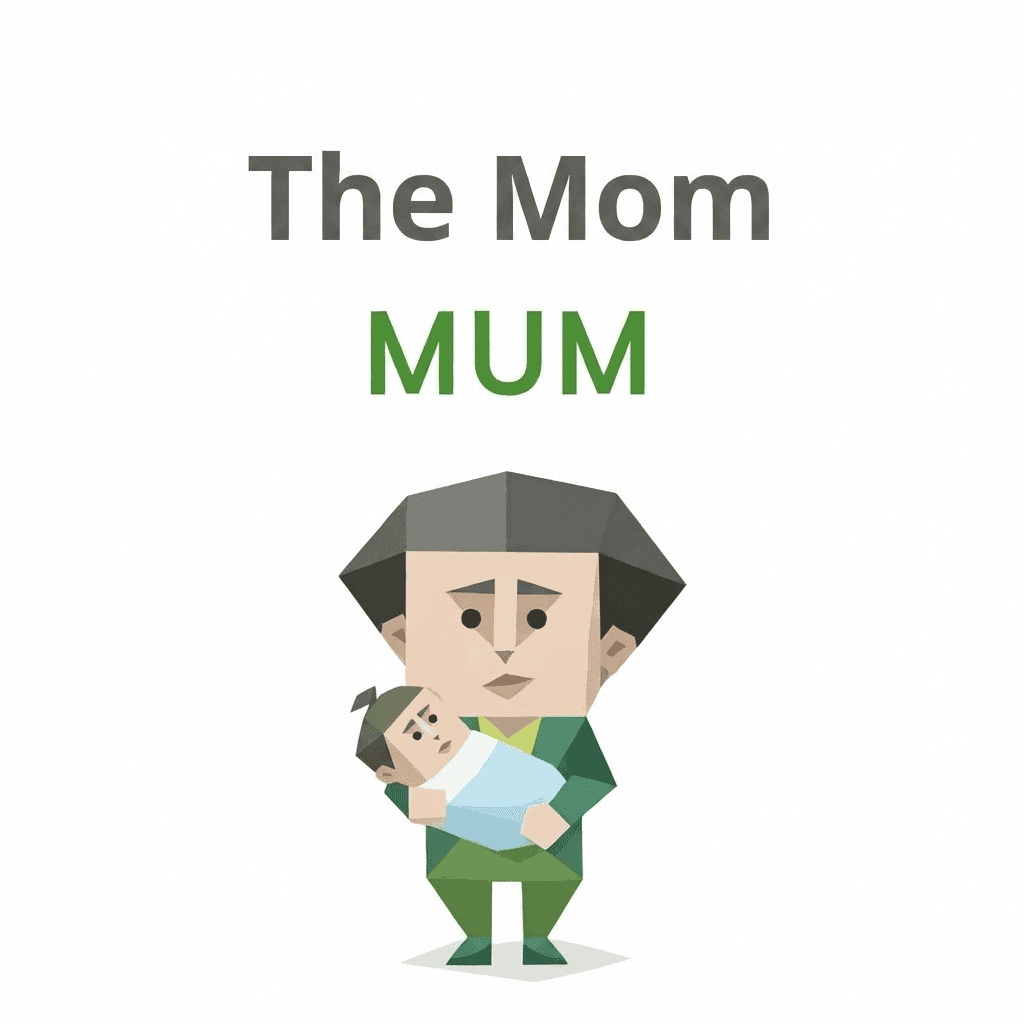
The Mom
So... can I call you Mom...?
Congratulations, you've tested into the rarest Mom personality. Yes — before chaos took form, before time had a name, before the first star burped into existence, there was already Mom. The Mom personality's foundation is gentleness. They're masters of reading emotions, possess superhuman empathy, and know exactly when to stop and when to tell themselves "let it go." Mom is like a doctor who heals everyone else's sadness. The only catch? When Mom cries, the dose of medicine they give themselves is always a size smaller than what they give others. MUM's tenderness toward themselves always comes at a discount.
THAN-K may recognize the care in your ordinary actions, while ATM-er understands how practical support can accumulate unnoticed. Agree on reciprocal help rather than competing to need less. A close relationship should include a place where you can be tired without immediately returning to the caretaker role.
Mentoring and collaborative learning can suit your attention to the person behind the difficulty. Ask the learner to attempt the next step instead of rescuing every uncomfortable pause.
In study, your patient explanations are useful, but your own practice still needs protected time. Put that session on the schedule before volunteering to accompany everyone else's revision.
Gentleness can be mistaken for unlimited capacity. A soft voice does not make your time less finite, and being understanding does not require accepting the same broken agreement forever.
You are allowed to have reactions that are not immediately useful to other people. A friendship that only permits your reassuring side leaves too little room for the full person doing the caring.
No. The nickname describes a caring style, not gender, family plans, or a duty to look after anyone. Read it as a metaphor for attention and support.
You may make uncertainty feel less embarrassing. You can appreciate that trust while saying when you lack the time, privacy, or expertise for a particular conversation.
Ask whether they want listening or practical help. If help is wanted, choose one bounded contribution and let them decide what happens after it.
Confidence fluctuates with the weather: tailwind and you fly; headwind and you turtle up.
You sometimes need the reassurance you offer so easily to others.
Usually you can recognize yourself, though emotions occasionally hijack your account.
You recognize personal needs but may postpone them when the room is upset.
You're easily propelled forward by goals, growth, or some deeply held conviction.
A belief in caring for people can outweigh the wish for an easy afternoon.
Half trust, half suspicion — emotionally you're constantly on a seesaw.
You can trust a connection while occasionally watching for signs of distance.
Once committed, you go all the way — pouring in emotions and energy generously.
You devote substantial attention to someone else's comfort.
Prone to clinginess (giving and receiving) — emotional warmth matters a lot.
You find warmth in mutual reliance and familiar companionship.
More inclined to believe in human goodness — you don't rush to sentence the world to death.
You usually allow that the struggling person is making a sincere effort.
Follow rules when it matters; bend them when it doesn't — no needless rigidity.
You prefer a useful agreement over a rigid rule that ignores the person.
Sometimes you have a goal, sometimes you want to slack off — life's OS is half-booted.
Meaning can depend on whether the care actually reaches someone.
Your avoid-disaster system activates way before your ambition — risk-aversion leads.
Preventing distress may motivate you sooner than winning a visible prize.
You think, but not to the point of crashing — standard-issue hesitation.
You consider the person's needs before settling on a workable choice.
Can execute, but it depends on timing — sometimes steady, sometimes vibing.
You can act but the pace changes when too many people need help.
More likely to break the ice first and not afraid to stand out in a crowd.
You willingly make the first gentle opening when somebody looks lost.
Gravitates toward closeness and merging — once comfortable, you quickly pull people into the inner circle.
You let trusted people into a close and welcoming circle.
Express yourself directly — what's inside usually comes straight out.
You tend to show concern directly rather than hiding it behind a role.