Why do I sound more surprised than I feel?
Your expressive response may arrive before the explanation. Tell others what the reaction means instead of expecting them to infer your actual level of concern.

The WTF-er
WTF, how did I get this personality?
We've discovered an extraordinary species — the WOC! human. They possess two entirely independent operating systems: one called the "Frontend System," responsible for producing a series of dramatic exclamations like "WTF," "no way," and "huh?"; and another called the "Backend System," which calmly analyzes: yep, exactly as I predicted. The WOC! person only says WTF — they never meddle. Because they know that explaining logic to an idiot is like teaching calculus to a goldfish: you waste all your energy and the goldfish doesn't even notice. So they choose to clutch their blade of wisdom and offer a heartfelt "WOC!" as the highest salute to this insane world.
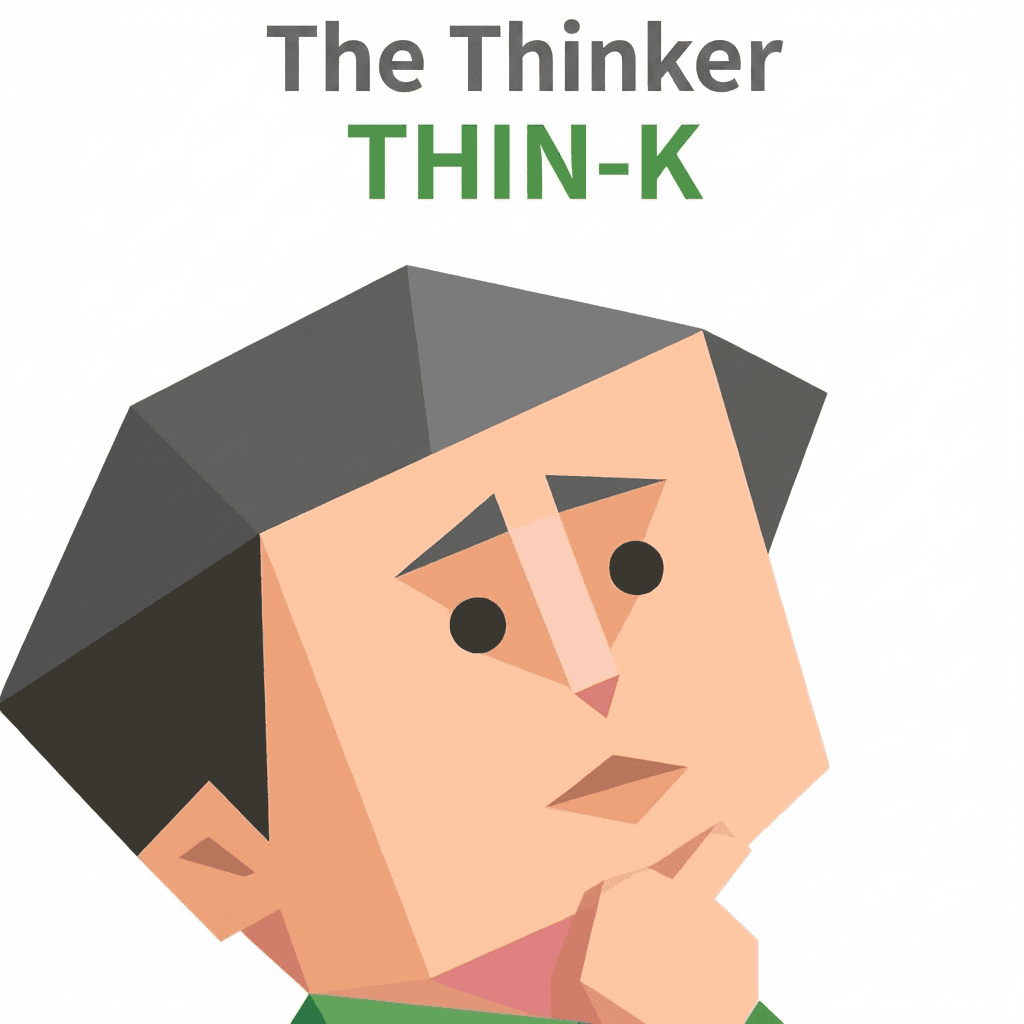
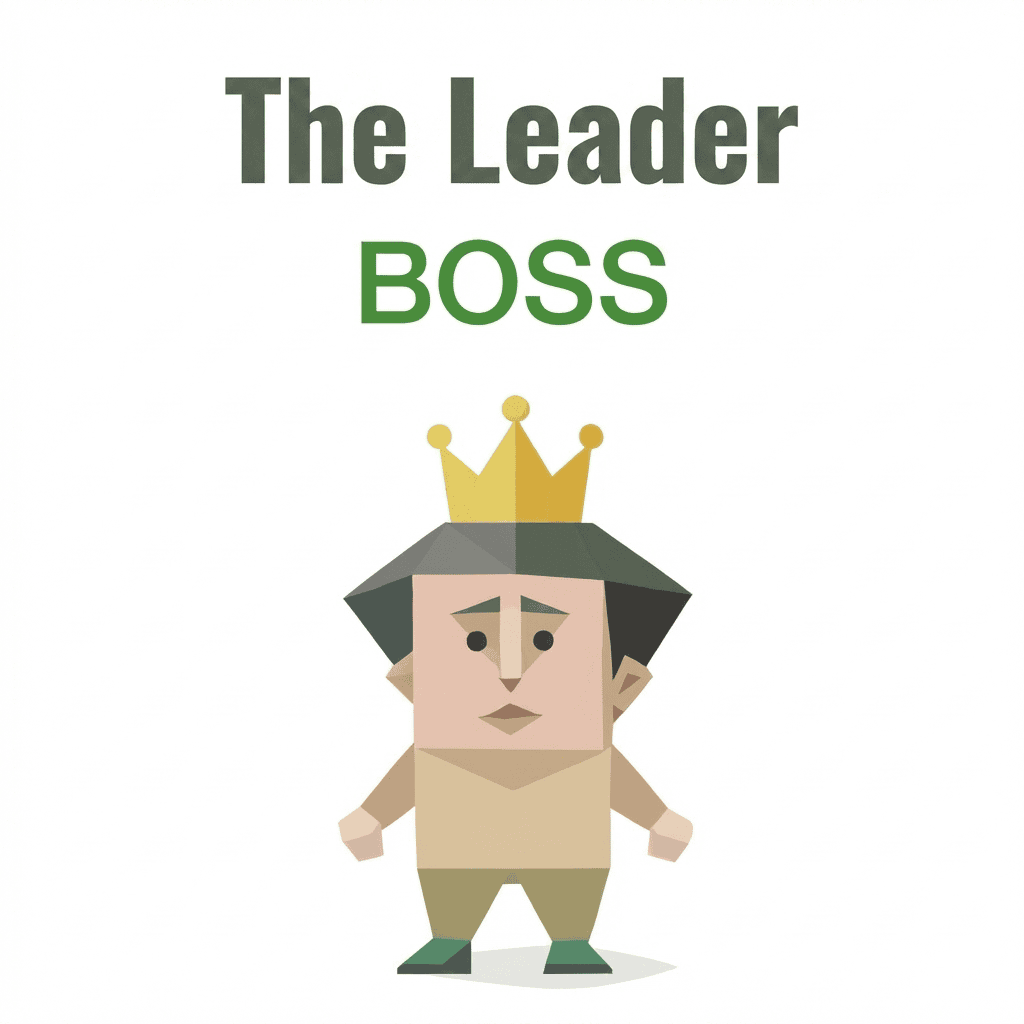
THIN-K may appreciate the analysis behind your visible surprise. GOGO can help decide which discovery actually deserves action now. In a close relationship, tell the other person whether your reaction means concern, amusement, or a request to pause; a vivid expression can carry several different messages.
Troubleshooting and reviewing an unexpected result may suit your ability to switch from reaction to inspection. Keep the evidence beside the conclusion so a teammate can follow the route.
In study, keep a short list of surprising results and test the explanation for one of them. Curiosity becomes more useful when a striking observation is connected to a checkable account.
A strong expression can be mistaken for panic or criticism. The person beside you may need a calm description of the issue before they can appreciate the comic timing.
Your reaction is part of your style rather than a complete instruction manual. People can understand you better when you give them a sentence that translates the expression into a need or a finding.
Your expressive response may arrive before the explanation. Tell others what the reaction means instead of expecting them to infer your actual level of concern.
No. You can report a clear observation and name its consequence without adopting every problem you notice. Agree on ownership before starting the repair.
State the claim, the evidence, and the practical implication in that order. Keep the expressive aside, but do not make the listener reconstruct the argument from it.
You generally know where you stand and won't crumble from a stranger's off-hand remark.
You can stand by an observation when another person dislikes its dramatic delivery.
You've got a pretty clear read on your temper, desires, and hard limits.
You know what surprised you even if the expression arrives first.
You prioritize comfort and safety — no need to put life in sprint mode every single day.
Comfort can matter more than turning every discovery into a public achievement.
You'd rather trust the relationship itself and won't be spooked by every little breeze.
A trusted relationship is not automatically threatened by an unusual response.
You invest, but keep an exit strategy — never going full all-in.
You care about the situation while retaining some emotional distance.
Space is sacred — even in love, you reserve a plot of land that's yours alone.
You want space to analyze before discussing every feeling immediately.
Neither naive nor full conspiracy theorist — watchful waiting is your default.
You look at evidence before deciding whether the surprising account deserves trust.
Follow rules when it matters; bend them when it doesn't — no needless rigidity.
You can change methods without treating every informal rule as binding.
You operate with direction and roughly know which way you're headed.
Finding the underlying explanation gives the investigation a clear direction.
Easily ignited by results, growth, and the feeling of forward momentum.
You feel pulled toward understanding an unexpected result rather than merely avoiding it.
Decisions come fast and once they're made, you don't look back.
You can make a quick call once the relevant contradiction is resolved.
Can execute, but it depends on timing — sometimes steady, sometimes vibing.
You want the issue actually checked rather than only commented on.
Socially slow to warm up — making the first move usually requires half a day of psyching yourself up.
You may observe quietly until a clear opening makes speaking worthwhile.
Strong boundary instincts — get too close and you instinctively step back half a pace.
You keep some personal distance even while reacting vividly in public.
Skilled at adapting your persona to different contexts — authenticity gets dispensed in layers.
You can vary the expressive surface while keeping your deeper reasoning private.